When sourcing materials for construction, “Yellow Pine Lumber” stands out as a versatile option. Renowned expert Dr. Jane Harmon, a leading authority in timber engineering, once noted, “Yellow Pine Lumber offers a balance of strength and workability that many builders appreciate.” This statement reflects the material's growing appeal in global markets.
Yellow Pine Lumber is known for its durability and affordability. It is commonly used in framing, flooring, and decking. Its characteristic yellow hue adds warmth to any project, making it aesthetically pleasing. However, challenges arise in maintaining quality across different suppliers. Variability in grain patterns and structural integrity can sometimes lead to subpar results.
Navigating the global sourcing landscape for Yellow Pine Lumber requires careful consideration. Potential buyers must distinguish between suppliers to ensure optimal quality. Each choice carries weight; a poor selection may affect the final product's integrity. Reflecting on these aspects can lead to better decision-making and superior outcomes in construction projects.
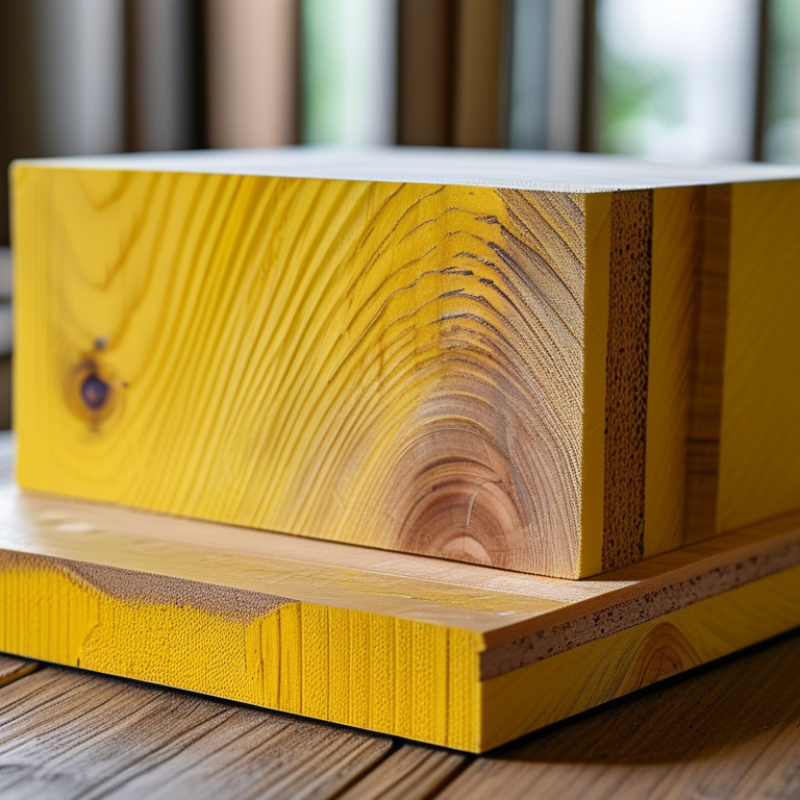
Understanding Yellow Pine Lumber: Characteristics and Benefits
Yellow pine lumber stands out for its durability and versatility, making it a favored choice among builders. This species typically features a distinct yellow hue, signaling its strength and ability to withstand wear. The wood's grain is straight and tight, providing a robust framework for structures. It is often used for flooring, framing, and furniture due to its natural resistance to decay. However, one should consider the potential for warping in high-moisture environments.
When selecting yellow pine, acknowledge the variations in quality. Not all yellow pine is the same, and some pieces may have knots or imperfections. These characteristics can affect both appearance and structural integrity. It’s essential to evaluate the lumber before purchase, ensuring it meets specific project requirements. Sourcing from reputable suppliers can help mitigate risks associated with substandard wood.
In conclusion, yellow pine lumber offers a range of benefits, including affordability and strength. However, it’s important to weigh its pros and cons wisely. Understanding the material fully allows for better decision-making in any global sourcing effort.
Top Yellow Pine Lumber Types for Global Sourcing Needs
When sourcing yellow pine lumber, understanding the types available is crucial for effective procurement. Yellow pine is favored for its strength, versatility, and availability. For instance, Southern Yellow Pine (SYP) is one of the most commonly sourced types. According to the U.S. Forest Service, SYP stands out for its high density, making it ideal for construction and flooring projects. It typically achieves a modulus of rupture of over 10,000 psi, highlighting its structural integrity.
Another option is Eastern Yellow Pine, which is prized for its aesthetic qualities. This type is often used in furniture and cabinetry due to its fine grain. According to a report from the Forest Products Laboratory, this lumber exhibits excellent finishing properties, allowing for high-quality stain absorption. However, its moisture content must be carefully monitored to avoid warping, which is a common pitfall in sourcing.
Internationally, sourcing practices vary, leading to potential challenges. Some regions may have stricter regulations regarding sustainable forestry. A study by the International Wood Products Association highlights the importance of verifying the source of yellow pine to ensure compliance with global standards. This diligence is vital in fostering a responsible supply chain and aligns with evolving consumer preferences for sustainable products.
Best Yellow Pine Lumber Options for Your Global Sourcing Needs
| Lumber Type |
Grade |
Moisture Content (%) |
Typical Uses |
Availability |
| Southern Yellow Pine |
#1 & #2 Common |
12-15% |
Framing, Flooring |
Widely Available |
| Eastern Yellow Pine |
Select Structural |
10-12% |
Furniture, Cabinets |
Regionally Available |
| Western Yellow Pine |
#1 Common |
15-18% |
Decking, Beams |
Limited Availability |
| Longleaf Pine |
Clear |
10-14% |
Millwork, High-End Furniture |
Rare |
Key Factors to Consider When Sourcing Yellow Pine Lumber
When sourcing yellow pine lumber, several key factors should be considered to ensure quality and reliability. The quality of the lumber is paramount. Look for lumber with a minimum grade of #2 or better, as it typically offers greater structural integrity. According to the Southern Pine Inspection Bureau, over 60% of yellow pine lumber harvested in the U.S. meets this grade. This ensures that your projects will maintain strength and durability over time.
Consistency in supply is another critical factor. Yellow pine is widely available in the U.S., but fluctuations in weather, market demand, and harvesting practices can affect logistics. Data from the U.S. Forest Service indicates that sawtimber availability can vary by up to 20% annually due to environmental conditions. This uncertainty may challenge your sourcing strategy.
When sourcing, consider the moisture content as well. The ideal range is between 12-15%. High moisture levels can lead to warping and decay. Keep in mind that sometimes, suppliers may not disclose this information clearly. Being proactive about confirming moisture levels can save you from costly repairs later.
Sourcing yellow pine requires careful attention to these factors. It’s beneficial to establish strong relationships with multiple suppliers. This approach provides you with alternatives should any issues arise. Quality and consistency are fundamentally essential for the success of your projects.
Sustainable Sourcing Practices for Yellow Pine Lumber
Sustainable sourcing practices are crucial in the lumber industry, particularly for yellow pine. This wood is valued for its strength and versatility. However, its availability can lead to unsustainable harvesting if not managed properly. According to the Forest Stewardship Council, responsible sourcing can reduce deforestation by up to 30%. This statistic highlights the importance of choosing suppliers who adhere to sustainable practices.
Monitoring the source of yellow pine is essential. In 2022, the U.S. consumed over 25 million board feet of yellow pine, representing significant demand. Companies should prioritize suppliers who demonstrate commitment to reforestation and responsible land management. This not only preserves ecosystems but also supports local communities involved in sustainable forestry.
When sourcing yellow pine, consider these practices. Verify the certifications of your suppliers. Look for tracking systems that ensure transparency. Evaluate suppliers’ sustainability reports for insights into their operations. Doing so mitigates risks and fosters trust. Sustainable practices may initially seem more costly but often lead to long-term savings and enhanced brand reputation. Balancing cost with responsible sourcing can reflect positively on your business.
Comparative Analysis of Yellow Pine Suppliers Worldwide
When evaluating yellow pine suppliers worldwide, several factors must be considered. Quality, availability, and sustainability are crucial. Different regions offer unique advantages. For instance, southern yellow pine is renowned for its strength and versatility, making it a preferred choice for construction and furniture. In contrast, western yellow pine often features lighter color and finer grain, appealing for aesthetic applications.
Sourcing yellow pine requires a keen understanding of supplier capabilities. Some suppliers may excel in production volume but fall short in quality control. Others may focus on sustainable practices but lack the infrastructure to meet large orders. Getting to know each supplier’s strengths and weaknesses is essential. Shipping and logistics can complicate sourcing, impacting lead times and costs.
The global market for yellow pine continues to evolve. Emerging suppliers in various regions showcase innovative practices. However, transparency about sourcing methods and environmental impacts remains a pressing issue. Evaluating a supplier should go beyond price. Consider their commitment to quality and ethical practices. यह透明ता建立信任,并促进长期关系。
Best Yellow Pine Lumber Options for Your Global Sourcing Needs
FAQS
: Southern Yellow Pine is known for its strength and high density. It's great for construction and flooring projects.
Eastern Yellow Pine is prized for its fine grain. It has excellent finishing properties for high-quality stain absorption.
The moisture content should be carefully monitored. This prevents warping, a common issue during sourcing.
Sustainable sourcing reduces deforestation and promotes responsible management. It helps maintain ecosystems and local communities.
In 2022, the U.S. consumed over 25 million board feet of yellow pine. This shows significant demand for the lumber.
Companies should verify supplier certifications. It's crucial for ensuring responsible sourcing and compliance with sustainable practices.
Sustainable practices may appear more expensive at first. However, they can lead to long-term savings and enhanced brand reputation.
Companies should look for tracking systems. These systems provide insights into the supply chain's sustainability.
Verifying the source of yellow pine is essential. This diligence helps achieve compliance with global standards.
Balancing cost with responsible sourcing reflects well on a business. It can improve reputation and customer trust over time.
Conclusion
The article "Best Yellow Pine Lumber Options for Your Global Sourcing Needs" explores the essential aspects of Yellow Pine Lumber, highlighting its unique characteristics and numerous benefits. It delves into various types of Yellow Pine Lumber suitable for global sourcing, aiding readers in making informed decisions. The article emphasizes key factors to consider when sourcing this versatile material, such as quality, cost, and availability, while also addressing sustainable sourcing practices that minimize environmental impact.
Furthermore, a comparative analysis of Yellow Pine suppliers worldwide offers insights into the best options for procurement. This comprehensive guide serves as a valuable resource for anyone looking to leverage the advantages of Yellow Pine Lumber in their projects, ensuring that sourcing decisions align with quality and sustainability goals.