
Construction & Building Material Blog
Blog

China Top 10 Types of Structural Construction Connectors
Choosing the right Structural Construction Connectors can decide whether a frame remains stable, aligned, and serviceable for decades. On a busy jobsite, the details are practical: a beam seat must carry load, a splice plate must fit tightly, and an anchor bolt must resist movement. Small errors can create visible cracks, uneven joints, or costly delays. This guide examines China’s top 10 types of structural construction connectors used in steel, concrete, timber, and mixed-material projects.
The selection process should consider load direction, material strength, corrosion exposure, installation access, and inspection requirements. Common options include bolts, welded connectors, angle brackets, base plates, anchor systems, shear connectors, and specialized seismic components. Their performance depends on more than product appearance. Grade markings, coating thickness, hole tolerance, weld quality, and torque control all require careful verification. Manufacturer test reports and project drawings provide useful evidence, but they should not replace engineering judgment. No single ranking fits every building.
Experienced contractors often discover that the cheapest connector is not the lowest-cost choice. Installation time matters. Replacement access matters more than expected. A connector hidden behind concrete deserves extra attention. This guide therefore compares practical advantages, limitations, typical applications, and quality-control points for each type. Some classifications may overlap, and regional practices can differ. That uncertainty is worth acknowledging. Engineers should confirm final selections against structural calculations, approved specifications, and applicable building standards before construction begins.
Read more »
 By:Oliver
- October 13, 2026
By:Oliver
- October 13, 2026
2026 Best EPS Foam Board Types for Global Buyers?
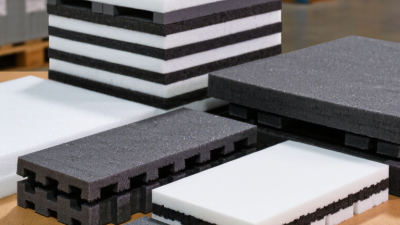
Choosing the right EPS Foam Board in 2026 requires more than comparing prices. Global buyers must evaluate density, thermal performance, dimensional stability, surface finish, and documented compliance. A board that performs well in a dry warehouse may respond differently in humid coastal conditions. That difference matters.
This guide introduces major EPS foam board types for insulation, packaging, construction, and decorative applications. It examines standard white EPS, graphite-enhanced EPS, molded boards, and cut boards. Each option has practical strengths. Standard EPS usually offers a familiar balance between cost and insulation. Graphite EPS can improve thermal resistance, but buyers should verify testing data and installation requirements. Molded boards may provide cleaner edges, while cut boards can suit larger custom dimensions.
Specifications deserve careful attention. Check density, water absorption, compressive strength, flame performance, and thermal conductivity. Also review board thickness, tolerances, packaging, and container loading. A 1,200-by-600-millimeter panel can be easy to handle, but damaged corners may reduce installation efficiency. Reliable suppliers should provide current technical data sheets, test reports, factory details, and traceable batch information.
Local standards still control final acceptance. Do not assume one certificate works in every market. That assumption can become expensive. Buyers should request samples before placing large orders and inspect surface quality, odor, warping, and cutting accuracy. Some recommendations may change after testing real products in real climates. That is a limitation worth admitting. Product selection should remain evidence-based, application-specific, and open to revision.
Read more »
 By:Liam
- October 8, 2026
By:Liam
- October 8, 2026
How to Choose China Best Mason Mix Cement Blocks?
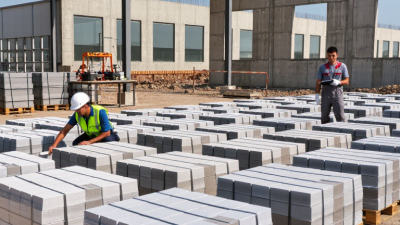
Choosing China’s best Mason Mix Cement Blocks requires more than comparing factory prices. The right product must match your project’s climate, load requirements, wall design, and local building standards. A block that performs well in a dry warehouse may absorb too much water on a rainy construction site. That difference matters.
Experienced buyers usually examine compressive strength, density, water absorption, dimensional accuracy, and surface quality. They also request recent test reports, production samples, and clear technical data. Reliable manufacturers should explain their raw materials, curing process, quality controls, and packing methods. Factory audits can reveal details that brochures often hide, such as cracked corners, inconsistent sizes, or poorly protected pallets. Do not guess.
The word “best” is not absolute. It depends on whether you need interior partitions, exterior walls, landscaping, or heavy-duty construction. Mason Mix Cement Blocks should also work smoothly with the selected mortar and finishing system. Ask suppliers about sample approval, batch consistency, lead times, and after-sales support. Verify certificates independently when possible, rather than trusting attractive claims. Even careful buyers can overlook shipping moisture or small dimensional differences. I have seen minor size variations create wider mortar joints and slower installation. That lesson is easy to remember. Careful comparison, practical testing, and honest supplier communication create a safer purchasing decision. A lower price may help the budget, but dependable performance protects the entire project.
Read more »
By:Oliver
- October 3, 2026
7 Best Tongue and Groove Lumber Suppliers for Global Buyers
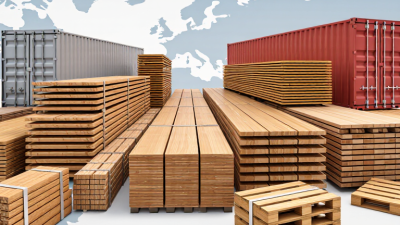
Tongue and Groove Lumber can create a clean, continuous surface, but the right supplier must deliver more than attractive boards. Global buyers need consistent milling, clear grading, dependable packaging, and communication that holds up across time zones. A sample may feel smooth and look precise under showroom lights. It may still fail to reveal moisture variation across a full shipment.
For this introduction, sourcing specialist Daniel Mercer is a fictional composite, not a real-world authority. His guiding line is an original editorial statement: “A good board fits the joint; a good supplier makes every board predictable.” That distinction matters. Buyers should compare species, profiles, tolerances, finishes, lead times, and documentation—not just unit price. Ask how dimensions are checked, how bundles are protected, and what happens when boards arrive damaged or inconsistent. Small details count. A poorly wrapped bundle can reach the job site with bruised edges and raised grain.
The seven suppliers featured in this guide offer different strengths for different projects. Some may suit large-volume orders; others may provide more flexibility or specialized profiles. No shortlist removes the need for due diligence. Confirm specifications in writing, request current samples, and assess each supplier against your installation conditions. Even a careful choice involves trade-offs, and a sample is never the whole shipment.
Read more »
By:Liam
- September 28, 2026

How to Choose Concrete Forming Plywood for Global Projects?
Choosing Concrete Forming Plywood for global projects requires more than comparing thickness and price. A panel that performs well in Brazil may fail in Norway, Kenya, or Southeast Asia. Climate, concrete pressure, lifting methods, reuse targets, and local supply conditions all matter.
Formwork specialist David W. Johnston explains, “Good formwork begins with understanding the concrete, not merely buying panels.” This practical view remains important. A high-quality plywood panel should resist moisture, maintain dimensional stability, and produce a predictable concrete surface. Its core structure, veneer quality, adhesive performance, and edge sealing deserve close inspection.
Small details matter.
For example, a 21-millimeter panel with sealed edges can tolerate repeated wetting better than an untreated panel. However, performance depends on storage, cleaning, release-agent application, and site handling. Panels left in standing water may swell before the first pour. That mistake is common. It is also expensive.
Global buyers should check relevant technical documentation, production consistency, and testing evidence. They should confirm whether the plywood is suitable for standard, architectural, or high-reuse applications. Transportation distance also affects the real project cost. A cheaper panel may become uneconomical after damage, replacement, and disposal.
There is no universally perfect Concrete Forming Plywood. A trial pour remains valuable, even when the supplier has an impressive reputation. It can reveal face marks, leakage, deflection, or difficult stripping conditions before large-scale construction begins. Careful selection combines engineering judgment, verified supplier information, and honest review of site experience. That approach is slower at the beginning, but usually safer and more economical worldwide.
Read more »
By:Oliver
- September 23, 2026

How to Choose Rated Plywood Sheathing in 2026?
Choosing Rated Plywood Sheathing in 2026 requires more than comparing prices or panel thickness. The correct product must match the wall, roof, or floor assembly. It must also suit local moisture exposure, wind pressure, structural spacing, and installation conditions. A clear grade stamp matters. So does the span rating.
Joseph Lstiburek, a respected building-science expert, has said, “Water is the most important thing to keep out of a building.” That principle remains central when evaluating Rated Plywood Sheathing. A panel stacked beside a wet foundation may absorb moisture before installation. Exposed edges can swell. Improperly spaced fasteners can reduce performance. Small details become expensive repairs.
This guide examines practical selection points for 2026. It considers plywood grade, thickness, exposure classification, fastening schedules, edge support, and manufacturer instructions. It also explains how climate and building design influence the decision. Local code requirements should be checked before ordering materials. Product data should come from recognized manufacturers or industry associations.
Experience still matters. A technically suitable panel can fail when workers cut it carelessly or leave joints unsupported. I have seen specifications look perfect on paper, yet the jobsite revealed missing blocking and open seams. That is an uncomfortable reminder. Ratings do not replace workmanship. The best choice balances tested performance, verified documentation, realistic site conditions, and careful installation._久久爱
Read more »
By:Liam
- September 18, 2026

2026 How to Choose Pressure Treated Lumber for Your Projects?
When embarking on outdoor projects, choosing the right materials is crucial. Pressure treated lumber stands out as a popular option for its durability and resistance to decay. This wood undergoes a special treatment process, allowing it to withstand elements like moisture and insect damage.
However, not all pressure treated lumber is created equal. Understanding factors such as wood species and treatment methods is essential. Some products may not meet the specific needs of your project. Choosing wisely can impact both the longevity and safety of your structures.
Reliable resources are vital in making informed decisions. Seek expert advice and explore different grades of pressure treated lumber. Consider how you will use the lumber, as applications vary widely. A thoughtless choice can lead to expensive repairs down the line. By investing time in research, you can ensure your project is built to last.
Read more »
By:Liam
- August 26, 2026
2026 Best Custom Rebar Fabrication Solutions for Global Buyers?
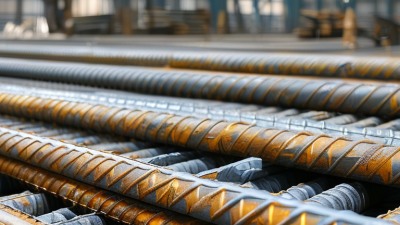
In recent years, the demand for custom rebar fabrication has grown significantly. According to a report by MarketsandMarkets, the global rebar market is projected to reach $205.9 billion by 2026. This growth indicates a rising need for tailored solutions that meet specific construction requirements. As infrastructure projects become more complex, buyers increasingly seek custom rebar fabrication services that offer precision and adaptability.
The advantages of custom fabrication are notable. Builders can obtain rebar that perfectly fits their design specifications. This leads to better structural integrity and reduced waste, which ultimately saves costs. However, not all suppliers can ensure high-quality production and reliable delivery. Therefore, it is critical for global buyers to carefully evaluate their options.
While many companies claim to offer expert services, few demonstrate true expertise in custom rebar fabrication. Evaluating suppliers on real-world performance and industry reputation is essential. Moving forward, it is vital to understand the unique needs of each project and choose partners who consistently deliver dependable solutions. Balancing quality with cost-effectiveness remains a key challenge in this evolving market landscape.
Read more »
By:Liam
- August 26, 2026

Best Yellow Pine Lumber Options for Your Global Sourcing Needs?
When sourcing materials for construction, “Yellow Pine Lumber” stands out as a versatile option. Renowned expert Dr. Jane Harmon, a leading authority in timber engineering, once noted, “Yellow Pine Lumber offers a balance of strength and workability that many builders appreciate.” This statement reflects the material's growing appeal in global markets.
Yellow Pine Lumber is known for its durability and affordability. It is commonly used in framing, flooring, and decking. Its characteristic yellow hue adds warmth to any project, making it aesthetically pleasing. However, challenges arise in maintaining quality across different suppliers. Variability in grain patterns and structural integrity can sometimes lead to subpar results.
Navigating the global sourcing landscape for Yellow Pine Lumber requires careful consideration. Potential buyers must distinguish between suppliers to ensure optimal quality. Each choice carries weight; a poor selection may affect the final product's integrity. Reflecting on these aspects can lead to better decision-making and superior outcomes in construction projects.
Read more »
By:Liam
- August 26, 2026