
Construction & Building Material Blog

0%

Choosing Rated Plywood Sheathing in 2026 requires more than comparing prices or panel thickness. The correct product must match the wall, roof, or floor assembly. It must also suit local moisture exposure, wind pressure, structural spacing, and installation conditions. A clear grade stamp matters. So does the span rating.

Joseph Lstiburek, a respected building-science expert, has said, “Water is the most important thing to keep out of a building.” That principle remains central when evaluating Rated Plywood Sheathing. A panel stacked beside a wet foundation may absorb moisture before installation. Exposed edges can swell. Improperly spaced fasteners can reduce performance. Small details become expensive repairs.

This guide examines practical selection points for 2026. It considers plywood grade, thickness, exposure classification, fastening schedules, edge support, and manufacturer instructions. It also explains how climate and building design influence the decision. Local code requirements should be checked before ordering materials. Product data should come from recognized manufacturers or industry associations.

Experience still matters. A technically suitable panel can fail when workers cut it carelessly or leave joints unsupported. I have seen specifications look perfect on paper, yet the jobsite revealed missing blocking and open seams. That is an uncomfortable reminder. Ratings do not replace workmanship. The best choice balances tested performance, verified documentation, realistic site conditions, and careful installation._久久爱
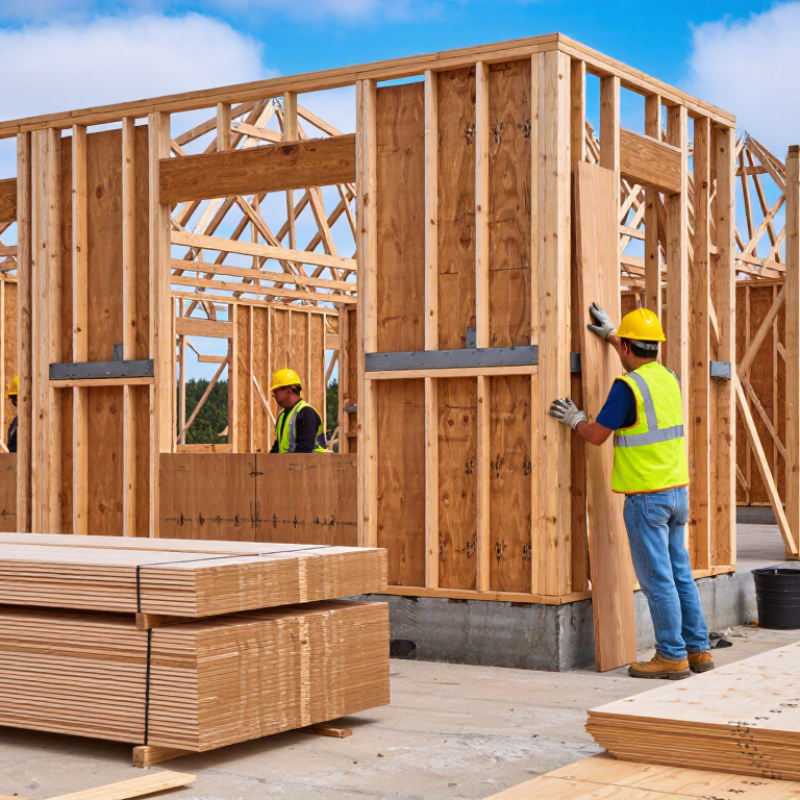
How to Choose Rated Plywood Sheathing in 2026?

Define Rated Plywood Sheathing: PS 1, PS 2, and APA Certification

Rated plywood sheathing is a structural panel designed for walls, roofs, or floors. Its rating explains strength, thickness, span, and exposure durability. The label matters more than appearance.

PS 1 applies to structural plywood made with defined veneer grades, adhesive rules, and manufacturing controls. PS 2 covers performance-rated wood structural panels, including plywood and oriented strand panels. It evaluates bending strength, stiffness, fastener holding, and dimensional performance. The USDA Forest Products Laboratory’s Wood Handbook, FPL-GTR-282 (2021), notes that moisture, grain direction, and density strongly affect wood strength. A dry panel can still fail after repeated wetting.

Look for an APA certification stamp showing PS 1 or PS 2 compliance, panel thickness, span rating, and exposure classification. “Exposure 1” allows temporary construction moisture, not permanent weather exposure. “Exterior” requires a more durable bond. Do not confuse either label with waterproofing. The 2024 International Residential Code also links roof and wall sheathing requirements to panel thickness and span ratings. Check the local edition in 2026.

A clear stamp is essential.

On site, damaged edges create problems quickly. Swollen corners may prevent tight joints, even when the panel meets its standard. The USDA handbook is reliable, but it cannot judge poor storage or careless installation. That limitation deserves attention. Store panels flat, raised from soil, and protected from standing water. Then match the rating to the actual load, support spacing, and exposure—not merely the lowest price.

Match Panel Thickness and Span Rating to 2024 IRC Roof and Wall Loads

Choosing Rated Plywood Sheathing in 2026

Choosing rated plywood starts with load paths, not thickness alone. The 2024 IRC connects roof and wall sheathing to support spacing, panel grade, fasteners, and design loads. A stamp such as 32/16 shows allowable support spacing for roof and wall applications under listed conditions. Read both numbers carefully. The first number is not a universal roof guarantee.

For rafters spaced 24 inches on center, compare the panel’s roof span rating with actual spacing. Check snow, wind, dead load, and construction moisture. A common minimum thickness may satisfy a prescriptive table, yet heavier loads may require thicker sheathing or closer supports. Roof edges may need blocking for diaphragm performance. Small gaps matter.

Wall panels require a separate review. Stud spacing, wall height, wind pressure, openings, and shear-wall design can change the selection. Use 2024 IRC tables only within their stated limits. Local amendments still control. Confirm nail size, spacing, edge distance, and panel orientation before installation. A thicker panel can still be wrong. Field problems often come from poor fastening, not weak plywood. That mistake is easy to overlook. When the rating or load path seems unclear, consult a qualified building designer or engineer before ordering materials.

Compare Exposure 1, Exterior, and Structural I Durability Ratings

How to Choose Rated Plywood Sheathing in 2026?

Plywood sheathing ratings describe more than moisture resistance. They also indicate how panels perform under structural demands. Exposure 1 panels tolerate temporary wetting during construction, such as rain before roofing is installed. They are not intended for continuous weather exposure. Swollen edges can weaken fastening and complicate siding installation.

Exterior panels use moisture-resistant bonding designed for repeated wetting and drying. Choose this rating for walls, roofs, or other assemblies exposed to weather over time. However, the Exterior label does not automatically mean higher structural strength. Check thickness, span rating, grade, and fastening requirements separately. That detail is easy to miss.

Structural I identifies enhanced structural performance, including improved stiffness and strength characteristics. It may appear with an Exposure 1 or Exterior durability rating. Therefore, Structural I does not replace the exposure rating. A Structural I Exposure 1 panel can carry demanding loads but still needs protection from prolonged moisture. This distinction matters around open wall frames, coastal construction, and delayed inspections.

Read the panel stamp, not just the sales description. Confirm the exposure classification, thickness, span rating, and applicable building-code requirements. Inspect cut edges and damaged corners before installation. Even a correctly rated panel can fail early when stored flat on wet ground or left uncovered. I would not choose based on the word “structural” alone. Moisture conditions, load paths, and installation quality must match the project.

Verify 2026 Compliance with ASTM E72 and APA Performance Standards

When choosing rated plywood sheathing in 2026, do more than compare thickness and price. Check the grade stamp, span rating, panel thickness, and intended exposure. The stamp should remain readable after delivery. Wet edges, swollen plies, or open splits deserve attention.

ASTM E72 is important, but it is a test method, not a complete approval by itself. It evaluates panel behavior under structural loading, including bending, tension, compression, and racking conditions. Ask for current test data or technical documentation that matches the panel construction. Do not assume every plywood sheet has identical results. Manufacturing details can change performance.

APA performance standards add practical verification. Confirm the panel’s rated use, bond classification, span rating, and required surface quality. Compare those details with the 2026 project specifications and locally adopted building requirements. A field inspector should also check nail spacing, edge distance, blocked joints, and weather exposure. Small installation errors can reduce a strong panel’s real capacity. That is easy to overlook.

I would record the lot information and photograph the markings before installation. Keep the documents with the project file. One imperfect habit remains common: relying on a familiar stamp without reading its limitations. ASTM E72 evidence, APA-rated performance, and careful installation must agree.

Select Sheathing by Moisture Risk, R-Value, Cost, and Fastener Spacing

How to Choose Rated Plywood Sheathing in 2026?

Start with the moisture risk around the wall or roof. Covered, conditioned spaces may need standard rated sheathing. Exposed walls require panels approved for temporary weather exposure. Check the panel stamp, thickness, span rating, and exposure classification before ordering. A damp jobsite can turn good material into a costly problem.

R-value matters, but plywood alone provides limited insulation. Pair it with continuous insulation when the assembly requires better thermal control. Leave room for drainage and drying. Small gaps and sealed joints can prevent water from hiding behind the panels. I have seen crews focus on insulation while ignoring a poorly flashed window. That mistake costs more than the sheathing.

Cost should include labor, waste, delivery, and replacement risk. Thicker panels may improve stiffness, but they also increase handling time. Fastener spacing must follow the approved drawings and local code, not habit. Common layouts use closer spacing at panel edges and wider spacing in the field, but conditions vary. Use corrosion-resistant fasteners where moisture exposure demands them. Too few fasteners can cause movement. Too many can damage edges.

Do not guess.

A practical choice balances moisture exposure, thermal goals, budget, and installation accuracy. Recheck the plan when wind, seismic design, or unusual framing changes the load path. I would not treat a general rule as universal. Project conditions deserve a second look.

FAQS

What does an Exposure 1 rating mean?

It tolerates temporary wetting during construction, such as rain before roofing is installed. It is not designed for continuous weather exposure. Swollen edges may weaken fasteners.

When should I choose an Exterior-rated plywood panel?

Choose it for walls, roofs, and assemblies exposed to repeated wetting and drying. The bond resists moisture better. Exterior does not automatically mean stronger.

What does Structural I indicate?

Structural I indicates enhanced stiffness and strength characteristics. It can appear with either Exposure 1 or Exterior durability. It does not replace the exposure rating.

Can a Structural I Exposure 1 panel remain uncovered?

No. It may carry demanding loads, but prolonged moisture can still damage it. Protect open wall frames, especially during delays. This distinction is easy to miss.

Which markings should I read on the panel?

Check exposure classification, thickness, grade, span rating, and intended use. The stamp should remain readable after delivery. Read every line.

What evidence should confirm structural performance in 2026?

Request current test data and technical documents matching the panel construction. A structural loading test method alone is not complete approval. Manufacturing details can change results.

What should I inspect before installation?

Look for wet edges, swollen plies, open splits, and damaged corners. Photograph the markings and record lot information. Small defects deserve attention.

How can installation reduce panel capacity?

Incorrect nail spacing, insufficient edge distance, and unblocked joints may reduce real strength. Store panels flat and away from wet ground. I might overlook this during a rushed inspection.

How should I match a panel to the project?

Compare moisture conditions, load paths, span rating, and local building requirements. Consider coastal exposure and delayed inspections. I would not choose from the word “structural” alone.

Conclusion

Rated Plywood Sheathing is selected by matching verified panel performance with the demands of a specific roof or wall assembly. Start by understanding the difference between PS 1 and PS 2 manufacturing standards, then confirm that the panels carry appropriate certification and structural ratings. Thickness and span rating should correspond to framing spacing, anticipated roof or wall loads, and the applicable 2024 IRC requirements. Choosing the correct rating helps reduce deflection, improve stiffness, and support reliable installation.

Durability is equally important. Exposure 1 panels may suit construction conditions with temporary moisture, while Exterior panels are intended for more persistent weather exposure. Structural I products may be appropriate when higher stiffness and strength are required. For 2026 projects, verify test documentation related to ASTM E72 and recognized performance standards. Finally, evaluate local moisture risk, thermal goals, cost, and required fastener spacing so the sheathing provides a balanced combination of protection, efficiency, and long-term structural performance.

Liam

Liam

Liam is a dedicated marketing professional with a deep expertise in our company’s innovative products and services. With years of experience in the industry, he has a keen understanding of market trends and the competitive landscape, allowing him to effectively communicate the unique benefits of......