
Construction & Building Material Blog

0%

Choosing Sea Wall Retention Rebar starts with understanding what the wall must resist. Tides, wave impact, soil pressure, and changing water levels all affect reinforcement demands. Salt spray is only part of the exposure. The splash zone and wet-dry cycles can be especially aggressive, so durability deserves close attention. Small details matter.

Before comparing bar grades or coatings, review the project drawings, geotechnical information, and design loads. These documents help establish bar size, spacing, lap lengths, and concrete cover. For a marine site, ask the structural engineer to assess corrosion protection options, such as epoxy-coated, galvanized, or stainless-steel reinforcement. The right choice depends on exposure, service life, availability, and the full project budget—not just the purchase price. A bar that fits one seawall may be unsuitable for another.

Installation matters, too. Check whether crews can place and tie the specified bars without crowding the cage, especially near joints, corners, and embedded hardware. Confirm that supplier records match the approved specifications, and inspect delivered material before placement. A label is useful. It is not the whole check. Even a careful selection can fall short if cover, concrete quality, or field handling is poor. Some assumptions will remain uncertain until site conditions are verified. That is worth admitting early. Use qualified engineering review and applicable project standards to resolve those uncertainties before ordering Sea Wall Retention Rebar.
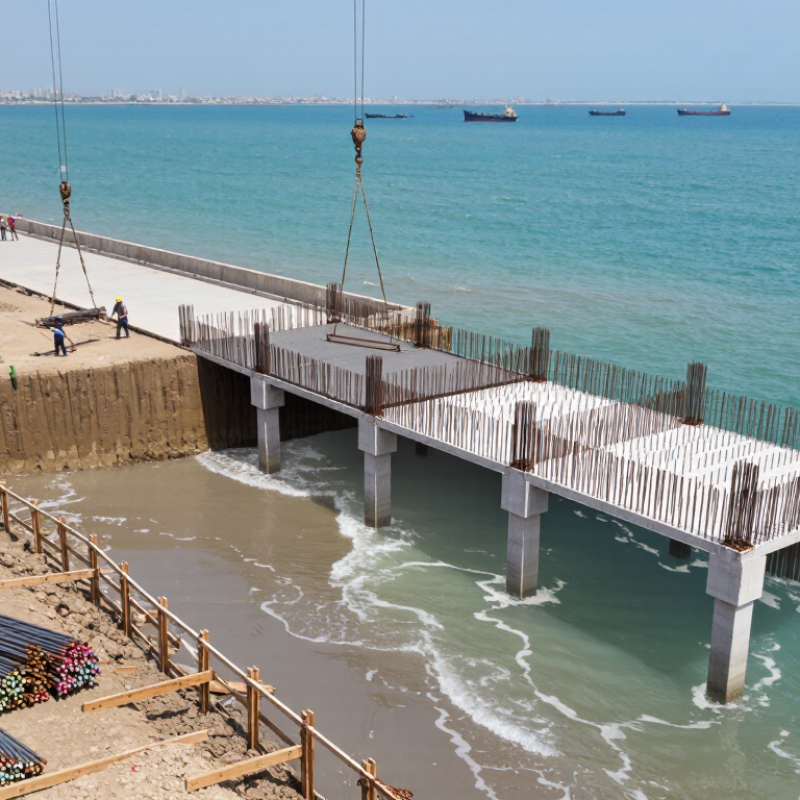
How to Choose Sea Wall Retention Rebar for Your Project

Understanding the Role of Retaining Rebar in Sea Walls

Retaining rebar gives a concrete seawall the tensile strength that plain concrete lacks. It helps the wall resist bending as soil presses from behind and waves load its exposed face. Bars also tie the wall stem to its footing, helping the structure act as one unit. That connection matters. Poorly placed or inadequately anchored bars can create weak points, even when the concrete looks sound.

Saltwater exposure makes detailing especially important. Chlorides can reach the steel through cracks and contribute to corrosion, so bar cover, concrete quality, crack control, and drainage all deserve attention. Rebar alone cannot keep seawater out. Project engineers typically assess wave forces, soil conditions, water levels, scour, and the wall’s geometry before specifying bar size, spacing, and anchorage. There is no reliable one-size-fits-all layout. On site, a tidy drawing can still meet a misplaced bar or congested joint; it is worth checking that reinforcement can be installed and concrete properly placed. Some assumptions may need revisiting when actual ground conditions differ from early reports.

Assessing Site Conditions and Structural Requirements

A sea wall’s rebar selection starts with the ground and water, not a standard detail copied from another site. Check tidal range, wave exposure, groundwater level, soil chemistry, and the likelihood of scour. Salt leaves clues. Rust staining on nearby structures or aggressive chloride test results can signal greater corrosion risk, but visual checks alone are not enough. A geotechnical investigation and water testing help define what the reinforcement must withstand. Record seasonal conditions too; a single dry-season inspection may miss regular saltwater saturation.

Structural demands matter just as much. The wall’s height, retained soil, surcharge from vehicles or stored materials, and foundation conditions affect reinforcement size, spacing, and anchorage. Ask the structural engineer to review load cases, crack control, concrete cover, lap lengths, and connections between the stem and footing. Specify reinforcement and any corrosion protection to match the exposure class and project design. Coatings are not a substitute for adequate cover or sound concrete detailing. That matters. I have seen early assumptions about “typical” coastal conditions prove optimistic once test data arrived. Resolve those uncertainties before ordering steel, and confirm that drawings, bar schedules, and installation tolerances agree.

How to Choose Sea Wall Retention Rebar: Concrete Cover by Exposure Condition

Minimum cover values shown are from ACI 318 cover provisions, converted from inches to millimeters. For a seawall, also assess chloride exposure, wave action, soil conditions, design loads, and applicable local codes. These cover values alone do not determine rebar size or spacing; consult a qualified structural engineer.

Comparing Rebar Materials, Grades, and Corrosion Protection

Sea walls face chloride-rich spray, tidal wetting, and abrasive sand. Choose reinforcement for the exposure, not just the drawing. ASTM A615 Grade 60 carbon-steel bars provide a 60 ksi minimum yield strength and suit many conventional designs. ASTM A706 Grade 60 also specifies 60 ksi minimum yield strength, with tighter chemistry controls that support welding and ductile detailing. For severe chloride exposure, stainless-steel bars can reduce corrosion risk, but their higher initial cost needs comparison with service-life and repair costs. There is no universal winner.

Protection matters as much as grade. Epoxy-coated bars can limit chloride contact, while hot-dip galvanizing offers a metallic barrier; either system needs careful handling to avoid damaged coatings. Stainless steel may be appropriate in splash zones or difficult-to-repair sections, rather than throughout the entire wall. The 2016 NACE IMPACT study estimated worldwide corrosion costs at $2.5 trillion, or 3.4% of global GDP. That figure covers many industries, not sea walls specifically, but it shows why lifecycle costs deserve attention. Check local chloride exposure, concrete cover, crack control, and repair access with the project engineer.

Tips: Mark the splash and tidal zones on drawings. Compare installed cost and expected maintenance, then inspect bar coatings before concrete placement. Small coating damage is easy to miss.

Selecting Bar Sizes, Spacing, and Placement

How to Choose Sea Wall Retention Rebar for Your Project

Choosing sea wall retention rebar starts with the wall’s actual demands, not a default bar schedule. Soil pressure, water levels, wall height, surcharge, and scour risk all affect reinforcement. A qualified structural engineer should determine bar sizes and spacing from site data and applicable design requirements. Larger bars are not automatically safer; they can complicate placement and concrete flow. Keep that trade-off visible.

Tips: Check drawings for bar direction, concrete cover, lap lengths, and development at corners and returns. Use chairs and templates to keep steel steady during the pour. Inspect ties before concrete arrives. At the water-facing surface, specified cover and durable concrete help limit chloride exposure. Small gaps matter. Don’t change spacing on site without approval.

Place main vertical bars at the designed tension face. The correct face depends on load cases and wall geometry. Horizontal bars help control cracking and hold the cage together, but their spacing also needs design review. Check openings, joints, and drainage details before fixing the cage. A blocked drain can raise pressure behind the wall. Field conditions rarely match drawings perfectly. Record discrepancies, consult the engineer, and make changes only with documented approval.

Checking Codes, Installation, and Long-Term Maintenance

Codes set the starting point for choosing sea wall retention rebar, but site conditions shape the details. Check local structural and coastal requirements, then have the design professional verify bar grade, spacing, cover, lap lengths, and anchorage against soil pressure and exposure. Codes vary by site. Salt spray, wet soil, and repeated tidal cycles can accelerate corrosion, so the drawings should specify suitable concrete cover and durability measures. It is easy to focus on bar diameter and overlook drainage or scour; that assumption deserves a second look.

During installation, compare the delivered bars with the approved schedule and check bends, spacing, and splice locations before the pour. Use stable chairs to hold the steel at the specified cover. Keep bars clear of mud and standing water, and secure intersections so reinforcement does not shift when concrete is placed. Small errors matter. Photograph concealed reinforcement and record inspection notes, especially where access will disappear after pouring. If a detail conflicts with the site, pause and request clarification rather than improvising a splice.

Maintenance starts with a baseline record of cracks, joints, drainage outlets, and visible rust staining. Inspect after major storms and at regular intervals suited to exposure. Clear blocked outlets; trapped water can increase pressure behind the wall. Track changes with dated photos and measurements. A hairline crack may not signal failure, but widening cracks, exposed steel, or recurring rust need prompt assessment by a qualified engineer. Some deterioration is hard to judge from the surface alone.

How to Choose Sea Wall Retention Rebar for Your Project - Checking Codes, Installation, and Long-Term Maintenance

Decision area What to check Practical selection guidance Project record or inspection
Design codes and approvals Applicable building or infrastructure code, owner requirements, local amendments, and permit conditions. Have the project engineer identify the governing design standard and confirm that the wall design addresses earth pressure, water levels, surcharge, wave or current effects, and seismic conditions where relevant. ACI 318, ACI 350, and AASHTO LRFD may apply to different project types; they are not interchangeable. Keep the approved design basis, calculations, permit conditions, and revisions with the construction records.
Rebar grade and specification Specified bar grade, ductility requirements, bend details, material standard, and whether field welding is proposed. Use the grade shown on the approved structural drawings. ASTM A615 and ASTM A706 are common reinforcing-bar specifications; A706 is a low-alloy specification with controlled chemistry and is commonly selected when weldability or tighter property control is required. Do not substitute grades without engineer approval. Verify mill certificates, bar markings, bar sizes, and delivery condition against the approved submittal.
Marine corrosion exposure Saltwater splash and tidal zones, chloride exposure, wet-dry cycling, soil chemistry, and design service life. Ask the engineer to compare suitable protection strategies, such as increased concrete durability provisions, epoxy-coated reinforcement (ASTM A775 or A934, as applicable), galvanized reinforcement (ASTM A767), or stainless reinforcement where justified. Select protection as part of the complete concrete and detailing design; coatings do not replace required cover or sound concrete. Record coating type, inspection results, repairs to damaged coating, and any handling restrictions required by the product specification.
Cover and reinforcement layout Exposure classification, member type, bar size, concrete placement method, and the cover and spacing shown on drawings. Follow the governing code and project drawings rather than using a generic cover value. Use approved chairs, spacers, and ties to maintain bar position and clear spacing during concrete placement. Confirm that reinforcement does not obstruct concrete flow or required drainage details. Inspect and document bar position, cover, spacing, supports, and cleanliness before each concrete pour.
Splices, bends, and connections Lap or mechanical splice locations, development length, hooks, couplers, congestion, and connection to piles or footing elements. Use the splice and anchorage details specified by the engineer. Avoid unapproved cutting, heating, rebending, or relocating bars. Welding should only be undertaken when permitted by the bar specification and design documents, using an approved procedure and qualified personnel. Check splice locations and coupler submittals before installation; record approved field changes.
Installation and concrete placement Access, bar stability, formwork, embedments, concrete placement sequence, and potential displacement during vibration. Secure reinforcement so it remains in its specified position. Remove loose mud, oil, and other bond-inhibiting material; follow project requirements for rust and coating condition. Coordinate embedded items and drainage provisions before placement, and consolidate concrete without damaging coatings or moving bars. Complete pre-pour checks and document concrete delivery, placement, consolidation, curing, and any nonconformance disposition.
Drainage and water pressure Drainage outlets, filters, weep holes, backfill drainage, groundwater level, and blocked or submerged outlets. Confirm drainage features match the wall design and can be maintained. Do not assume reinforcement alone can compensate for unexpected hydrostatic pressure or inadequate drainage. Inspect outlets and visible drainage components periodically and after major storms; clear obstructions using approved methods.
Long-term inspection and repair Cracking, spalling, exposed reinforcement, rust staining, joint deterioration, movement, scour, and drainage performance. Set an inspection schedule appropriate to the exposure, asset requirements, and local regulations. Have a qualified engineer assess significant deterioration, unusual movement, or suspected reinforcement corrosion before selecting a repair method. Maintain dated photographs, inspection notes, repair records, and monitoring results to track changes over time.
Important: Final bar grade, size, spacing, cover, splice details, corrosion protection, and inspection requirements must be established by the project engineer under the applicable codes and site conditions.

FAQS

What does retaining rebar do in a sea wall?

It helps concrete resist bending from soil pressure and wave loads. It also connects the wall stem to its footing.

How are rebar size and spacing selected?

A qualified structural engineer uses wall height, soil pressure, water levels, surcharge, and scour risk. Bigger bars are not automatically safer.

Where should the main vertical bars go?

They belong on the designed tension face. The correct face depends on wall geometry and load conditions.

Why does concrete cover matter near seawater?

Cover helps protect steel from chloride exposure. Cracks can let saltwater reach the bars.

What should crews check before pouring concrete?

Compare delivered bars with approved drawings. Check spacing, bends, laps, cover, and anchorage. Small errors matter.

What if a bar detail conflicts with site conditions?

Pause and ask the engineer for clarification. Do not change spacing or improvise a splice without documented approval.

How can drainage affect a sea wall?

Blocked outlets can trap water and raise pressure behind the wall. Drainage details deserve a second look.

What should routine maintenance include?

Record cracks, joints, outlets, and rust staining. Inspect after major storms, clear blocked drains, and track changes with dated photos. Surface signs can be hard to judge.

Conclusion

Choosing Sea Wall Retention Rebar starts with understanding how reinforcement helps a sea wall resist soil pressure, waves, and other coastal forces. Evaluate site conditions such as soil composition, water exposure, drainage, and expected loads, then use these findings to define the structural requirements. Material selection should account for the marine environment: compare suitable rebar materials and grades, along with corrosion-protection options, to balance durability and project needs.

Next, determine bar sizes, spacing, and placement in coordination with the wall’s design. Check applicable building codes and project specifications before construction, and ensure the reinforcement is installed and secured correctly. A clear plan for inspection and long-term maintenance can help identify corrosion or damage early and support the sea wall’s performance over time.

Liam

Liam

Liam is a dedicated marketing professional with a deep expertise in our company’s innovative products and services. With years of experience in the industry, he has a keen understanding of market trends and the competitive landscape, allowing him to effectively communicate the unique benefits of......