
Construction & Building Material Blog
2026 How to Choose Pressure Treated Lumber for Your Projects?
Table of Contents
- Understanding Pressure Treated Lumber: Overview and Benefits
- Identifying Different Types of Pressure Treated Lumber Available
- Factors to Consider When Choosing Pressure Treated Lumber
- Evaluating the Longevity and Durability of Pressure Treated Lumber
- Best Practices for Using and Maintaining Pressure Treated Lumber
- FAQS
- Conclusion
- Related Posts
When embarking on outdoor projects, choosing the right materials is crucial. Pressure treated lumber stands out as a popular option for its durability and resistance to decay. This wood undergoes a special treatment process, allowing it to withstand elements like moisture and insect damage.
However, not all pressure treated lumber is created equal. Understanding factors such as wood species and treatment methods is essential. Some products may not meet the specific needs of your project. Choosing wisely can impact both the longevity and safety of your structures.
Reliable resources are vital in making informed decisions. Seek expert advice and explore different grades of pressure treated lumber. Consider how you will use the lumber, as applications vary widely. A thoughtless choice can lead to expensive repairs down the line. By investing time in research, you can ensure your project is built to last.
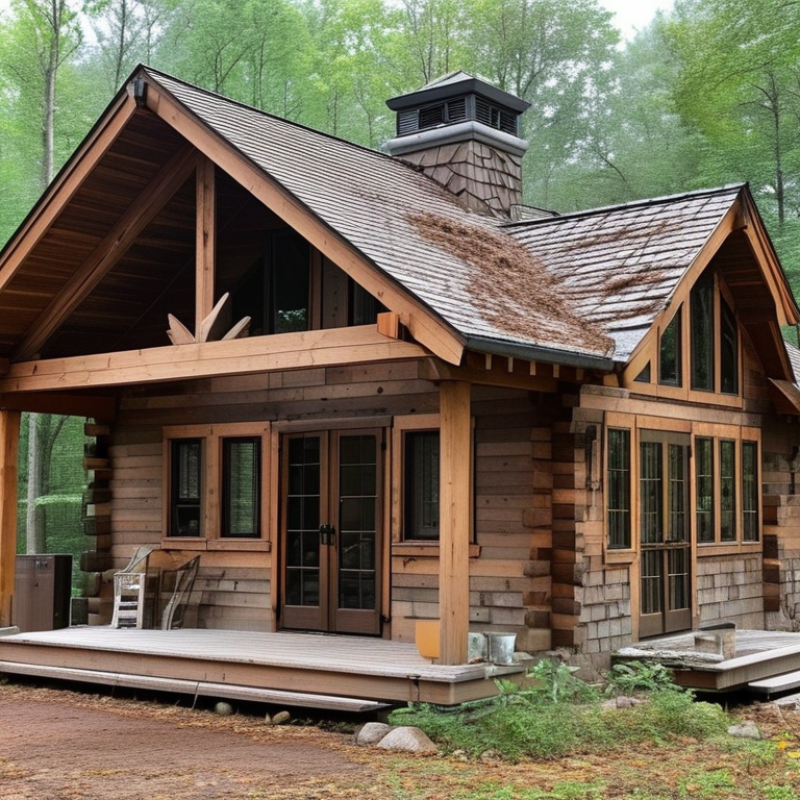
Understanding Pressure Treated Lumber: Overview and Benefits
Pressure treated lumber is an essential material for outdoor projects. It undergoes a chemical process to enhance its resistance to decay and insects. This makes it ideal for decks, fences, and garden beds. Understanding its benefits is crucial for making informed choices.
One major advantage of pressure treated lumber is its durability. It can withstand harsh weather, including rain and snow. This durability means lower maintenance costs over time. Additionally, it is often more affordable than other wood types with similar benefits. However, potential health concerns may arise from the chemicals used in treatment. Always handle with care and consider proper sealing for safety.
Nevertheless, the quality of pressure treated lumber can vary. Not all pieces are equally suitable for every project. Inspect each board for cracks or warping. Taking the time to choose wisely can prevent issues later. Using this lumber provides many benefits, but awareness of its limitations is essential for project success.
Identifying Different Types of Pressure Treated Lumber Available
When working with pressure-treated lumber, understanding the different types available is essential. Three primary treatments are common: ACQ, CA, and MCA. Acids and copper compounds largely comprise ACQ, making it suitable for decks and fences. Data from the American Wood Protection Association indicates that ACQ-treated wood has a lower environmental impact than older preservatives.
CA, or copper azole, is another type. Its formula provides excellent resistance to decay and insects. This type is often recommended for residential applications, especially in regions with high moisture. Studies show that CA-treated wood lasts longer than untreated options, providing good value over time.
Lastly, MCA, or Micronized Copper Azole, employs a unique microscopic technology. This treatment minimizes leaching while enhancing wood's appearance. Such features make MCA ideal for decorative projects. However, some users note variability in performance across different environments. Evaluating specific project needs is crucial when selecting the right type of pressure-treated lumber.
Factors to Consider When Choosing Pressure Treated Lumber
Choosing pressure treated lumber requires careful consideration of several key factors. Understanding the wood's grade can significantly impact the longevity of your projects. For instance, higher-grade lumber, which has fewer knots and imperfections, often provides better structural integrity. According to the American Wood Protection Association, using properly treated lumber can extend the lifespan of outdoor structures by over 30% compared to untreated wood.
Another critical factor is the type of treatment used. Pressure treatment involves forcing preservatives deep into the wood fibers. This method protects against decay and insect damage. Research shows that lumber treated with ACQ (Alkaline Copper Quaternary) is more effective in preventing rot than older options. However, the environmental impact of these chemicals cannot be ignored. Some treatments may not be suitable for projects in contact with soil or water.
It's also essential to consider the intended use of the lumber. Are you building a deck or a raised garden bed? Different applications might require different levels of treatment. Furthermore, always consider the local climate. In areas with high humidity, pressure-treated lumber may require additional sealing to prevent moisture retention. Taking these factors into account can make a significant difference in the durability and safety of your construction projects.
2026 How to Choose Pressure Treated Lumber for Your Projects? - Factors to Consider When Choosing Pressure Treated Lumber
| Factor | Description | Importance |
|---|---|---|
| Wood Type | Common wood types include pine, fir, and cedar. | High |
| Level of Treatment | Lumber is treated to different levels depending on its intended use. | Critical |
| Usage Environment | Consider if the lumber will be used indoors or outdoors. | High |
| Durability | Evaluate how long you want the lumber to last. | Essential |
| Cost | Prices can vary widely based on treatment and type of wood. | Moderate |
| Sustainability | Look for certifications indicating sustainable sourcing. | Increasingly Important |
Evaluating the Longevity and Durability of Pressure Treated Lumber
When choosing pressure-treated lumber, longevity and durability are key considerations. This lumber undergoes a treatment process that enhances its resistance to rot and insects. However, the lifespan varies based on treatment type and environmental exposure. Some treatments are more effective in humid areas, while others may struggle in dry conditions. Understanding these nuances is crucial for selecting the right lumber.
Regular inspection is important. Over time, pressure-treated lumber can weather and lose its protective qualities. Signs of wear, such as cracks or discoloration, may indicate that repairs or replacements are necessary. It’s vital to consider the intended use. Using this lumber for outdoor projects like decks or fences is common, but those that are constantly exposed to moisture may require additional treatments.
Sourcing lumber from reliable suppliers is essential. Quality can vary significantly, even within the same category. Look for certifications that indicate a higher standard of preservative treatment. Personal experience and recommendations from professionals can provide insight into which types work best for your local climate. Always prioritize informed choices to ensure your projects endure through the seasons.
Best Practices for Using and Maintaining Pressure Treated Lumber
When it comes to using pressure treated lumber, understanding maintenance is crucial for longevity. Pressure treated wood is treated with chemical preservatives, making it resistant to rot and insects. The American Wood Protection Association states that these treatments can extend the lifespan of lumber by over 20 years if properly maintained. Regular inspections are essential. Look for signs of moisture damage, warping, or insect infestations. Even treated wood can be susceptible to issues if not cared for.
Sealing and staining pressure treated wood not only enhances aesthetics but also provides a protective layer against UV rays and moisture. According to the Forest Products Laboratory, applying a sealant can double the lifespan of treated lumber. It is advised to wait at least six months after installation before sealing. This allows the wood to dry out and ensure better adhesion of sealants.
While pressure treated lumber is designed for durability, it may still require replacement over time. It’s common to find sections that decay from poor drainage or excessive moisture. Regular maintenance can help you identify and address these issues early. Keeping an eye on the condition of your wood can save both time and money in the long run. Remember, informed choices lead to sustainable projects.
2026 Pressure Treated Lumber Usage by Residential Projects
FAQS
: It is wood that undergoes a chemical process to resist decay and insects.
It's ideal for decks, fences, and garden beds.
It offers durability, low maintenance costs, and affordability compared to similar wood types.
Yes, the chemicals used may raise health concerns. Handle with care.
Regular inspections are vital. Look for signs of damage or insect infestations.
Yes, sealing enhances protection against UV rays and moisture.
Wait at least six months to ensure better adhesion of sealants.
Yes, poor drainage or excessive moisture can cause decay.
No, inspect each board for cracks or warping before use.
Awareness of its limitations is essential for informed choices.
Conclusion
Pressure Treated Lumber is an essential material for various outdoor projects due to its enhanced durability and resistance to moisture, insects, and decay. Understanding the different types of pressure treated lumber available is crucial when selecting the right product for your needs. Factors such as environmental conditions, project requirements, and longevity should be considered to ensure the best choice is made.
When evaluating the longevity and durability of pressure treated lumber, it is important to follow best practices for usage and maintenance. This includes proper installation techniques and regular inspections to prolong the life of the wood. By adhering to these guidelines, homeowners and builders can ensure that their projects benefit from the superior properties of pressure treated lumber for many years to come.

Blog Tags: