
Construction & Building Material Blog
China Top Foundation Rebar Reinforcement Suppliers?
Choosing a Foundation Rebar Reinforcement supplier is not just a price comparison. The steel must match project drawings, specified grades, bar diameters, and bending schedules. Delivery timing matters too. A missed load can leave crews waiting beside an open excavation.
The engineer and author Henry Petroski wrote, “Engineering is the art of making what you want from things you can get.” It is a useful reminder here: sound procurement connects design requirements with materials that can be verified and delivered. This guide to China’s leading suppliers looks beyond polished catalogs. It considers product range, production capability, quality documentation, customization, and export experience. Buyers should request current mill test certificates and confirm that bar markings match the order. Ask how bundles are labeled. Check whether cut-and-bent bars arrive in sequence. Small details count.
Still, a supplier profile cannot replace project-specific review. Standards, inspection needs, and acceptance criteria vary by job. Verify claims directly, and involve the project’s qualified engineer before approving substitutions. A neat factory tour is not proof of consistent output. Nor is a low quotation proof of poor quality. The uncomfortable part is that supplier comparisons often rely on incomplete public information. This outline aims to make those gaps visible, so readers can ask sharper questions before committing.
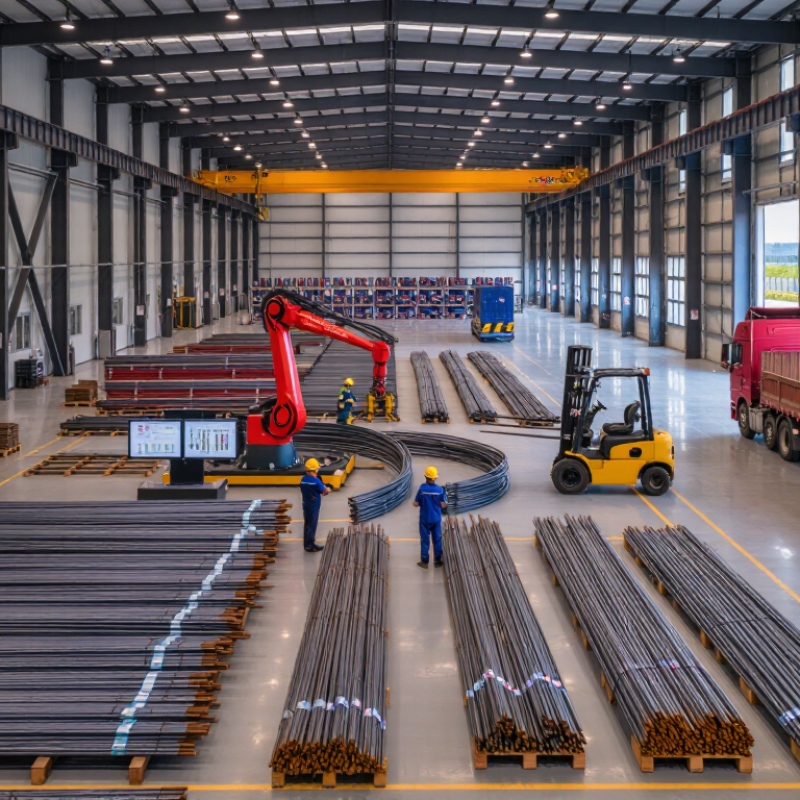
What Is Foundation Rebar Reinforcement?
Foundation rebar reinforcement is the steel framework placed inside concrete foundations. Concrete handles compression well, but it is less effective under tension. Reinforcing bars help resist pulling forces and limit cracking as loads shift through the structure. In a footing, workers position bars in a planned grid, then connect intersections with tie wire. The finished cage must match the structural drawings; bar size, spacing, and placement are not interchangeable details.
Reinforcement may be used in strip footings, foundation mats, and other concrete foundation elements. The design depends on soil conditions, building loads, and the engineer’s specifications. Adequate concrete cover helps shield steel from moisture, while correct bar spacing allows concrete to flow around the cage. Small placement errors can matter. Even a sturdy-looking cage may be wrong if bars sit too close to the soil or a required lap is missing. Site checks and clear inspection records help catch these issues before pouring.
Tips: Check bar sizes, spacing, laps, and cover against approved drawings before the pour. Keep reinforcement clean and supported; don’t rely on guesswork. Conditions vary, and a practical detail that worked on one site may not suit another.
How Is Rebar Used in Foundation Construction?
In foundation construction, reinforcing bar helps concrete resist tensile forces and control cracking. Concrete performs well under compression, but it is less effective when pulled or bent. Steel bars placed inside footings, grade beams, and foundation mats work with the concrete as one structural system. That matters.
In a strip footing, longitudinal bars typically run along the wall, while transverse bars help distribute forces across the footing. A foundation mat uses crossing bars in a grid, often near the top and bottom where drawings require them. Bar size, spacing, lap lengths, and bends should follow the engineer’s plans, not a generic rule. Loads and soil conditions change the design.
Position is critical. Crews use chairs or spacers to keep bars away from soil and hold the specified concrete cover. Tied intersections help prevent movement when workers place and vibrate concrete. Before the pour, check bar spacing, laps, support, and clearance from forms and utility sleeves. A small shift can reduce cover. It is easy to overlook a displaced spacer, especially near congested corners, so inspection should happen before concrete hides the steel. Even careful checks are imperfect; record any approved field changes on the project documents.
Foundation Rebar: Common ASTM A615 Grade Yield Strengths
Rebar is placed in foundation footings, mats, and grade beams to reinforce concrete against tension and help control cracking. This chart compares the minimum specified yield strengths of common ASTM A615 rebar grades; the appropriate grade and layout depend on the project design and local requirements.
What Criteria Define a Leading Chinese Supplier?
A leading Chinese foundation rebar supplier should prove quality with records, not polished sales language. Ask for mill test certificates showing steel grade, chemical composition, yield strength, and tensile strength. Heat numbers should match the markings on bundles and the delivery documents. That link matters. Without it, tracing a suspect batch becomes difficult.
Check whether production and inspection processes suit your project’s drawings and technical requirements. Request recent test results for bar diameter, rib pattern, bend performance, and mechanical properties. If coating is specified, confirm its thickness and inspection method. A capable supplier can explain how samples are selected and what happens when a result falls outside the agreed range. Vague answers deserve follow-up. A certificate alone is not the whole picture.
Delivery reliability also defines supplier quality. Compare stated production capacity with your required tonnage, shipment schedule, packaging, and port arrangements. Ask how the supplier handles shortages, damaged bundles, or revised orders. Communication should be prompt and technically clear, especially when drawings change. Price still matters, but the lowest quote can hide gaps in testing or traceability. This checklist is not perfect; project conditions differ, and buyers should verify claims independently before placing a large order.
China Top Foundation Rebar Reinforcement Suppliers? - What Criteria Define a Leading Chinese Supplier?
| Evaluation Criterion | Suggested Weight | What to Verify | Strong Supplier Benchmark | Useful Evidence |
|---|---|---|---|---|
| Standards and grade compliance | 20% | Whether the offered reinforcing steel matches the project specification, including the applicable Chinese standard, grade, dimensions, and delivery condition. | Clearly identifies applicable requirements, such as GB/T 1499.2 for hot-rolled ribbed steel bars, and confirms the exact grade and test requirements before order acceptance. | Current standard references, product technical data, purchase-order confirmation, and test certificates traceable to the supplied batch. |
| Mechanical and chemical testing | 20% | Test coverage for tensile properties, elongation, bend or rebend performance where required, chemical composition, and other specified acceptance tests. | Provides batch-specific results against the applicable standard and project specification, with a clear process for handling nonconforming results. | Mill test certificates, laboratory reports, test methods, sampling details, and independent inspection records when required by the buyer. |
| Batch traceability and quality control | 15% | Whether bundles can be linked to production records, heat or batch numbers, inspection results, and shipping documents. | Maintains consistent identification from production through dispatch and can promptly provide matching records for each delivered lot. | Sample bundle tags, traceability procedure, inspection plan, nonconformance procedure, and document-matching checks. |
| Foundation-project product suitability | 15% | Availability of the required bar diameters, lengths, grades, and handling formats for elements such as pile cages, pile caps, and foundation mats. | Confirms dimensions and tolerances against approved drawings, accommodates the specified order mix, and flags any mismatch before production or shipment. | Product-size schedule, drawing review records, order confirmation, packing plan, and pre-shipment inspection results. |
| Production capacity and delivery reliability | 10% | Realistic production lead time, order capacity, dispatch planning, and ability to coordinate deliveries with site requirements. | Provides a written production and dispatch schedule, communicates constraints early, and supports staged deliveries when agreed. | Capacity statement, confirmed schedule, shipment milestones, delivery records, and escalation contacts. |
| Export and logistics readiness | 8% | Experience preparing export documents, arranging suitable cargo handling, and meeting the destination market's import and inspection requirements. | Confirms Incoterms, packing, port and inland transport arrangements, document responsibilities, and destination-specific requirements before shipment. | Draft shipping documents, packing specifications, logistics plan, and a written allocation of customs and inspection responsibilities. |
| Commercial transparency | 7% | Clarity of quotation, product scope, price validity, payment terms, tolerances, and potential extra costs. | Provides an itemized quotation that aligns with the technical specification and identifies assumptions, exclusions, and price-adjustment conditions. | Formal quotation, technical offer, contract draft, payment schedule, and written clarification of commercial terms. |
| Communication and after-sales response | 5% | Responsiveness to technical questions, document requests, delivery updates, and quality claims. | Assigns a responsible contact, provides timely written updates, and follows a defined process for resolving quality or delivery issues. | Response-time commitments, issue-escalation procedure, claim process, and documented customer-support contacts. |
Note: Suggested weights are an illustrative buyer-evaluation framework, not measured supplier rankings. Confirm the latest applicable standards, project specifications, and destination-market requirements before procurement.
Which Types of Suppliers Serve the Chinese Market?
China’s foundation rebar market is served by several supplier types, each covering a different part of the supply chain. Integrated steel mills produce reinforcing bar and can provide production records and mill test certificates. They are often suited to buyers placing large, planned orders. Smaller or urgent projects may find their order requirements less flexible.
Regional steel distributors hold stock closer to construction sites and arrange deliveries by size and quantity. Rebar processors and fabricators cut and bend bars to approved schedules, helping crews receive bundles ready for installation. Specialist reinforcement suppliers may coordinate both material sourcing and processing. That distinction is easy to miss. A seller offering rebar does not always operate its own fabrication facility.
Trading companies can connect buyers with multiple producers, but the buyer should confirm the source, grade, dimensions, and documentation for each order. Ask how bundles are labeled and whether delivery timing includes cutting and bending. For a foundation pour, a late bundle of bent bars can disrupt crew sequencing. In practice, handoffs between seller, processor, and haulier can be messy. Check responsibilities in writing, and compare the supplier’s proposal with the project drawings and specifications.
How Can Buyers Evaluate and Select a Supplier?
When evaluating a foundation rebar supplier, start with the project drawings and reinforcement schedule. Confirm steel grade, bar diameters, bend shapes, and cutting tolerances in writing. Ask for recent test certificates and clear heat-number traceability. These records should match the delivered bundles, not just a sample document. Details matter.
Check whether the supplier can fabricate cages or stirrups to the required dimensions. Request a sample bending list and inspect a small trial batch when practical. Measure bar lengths and bend angles against the approved drawings. A low price means little if misplaced bends create delays or require site adjustments. Your structural engineer should review any proposed material substitutions.
Delivery planning deserves the same attention as product quality. Ask how bundles are labeled, protected, and sequenced for unloading. Confirm lead times against the construction schedule, and ask how changes are handled after an order is placed. Compare quotations line by line, including cutting, bending, packing, and transport. Speak with recent customers about accuracy and communication. A polished quotation can still leave gaps. Even a careful checklist may miss a site-specific issue, so keep the review open and practical.
FAQS
It is a steel framework placed inside concrete foundations. It helps resist pulling forces and limit cracking as loads shift.
Concrete handles compression well but is less effective under tension. Steel bars help resist pulling and bending forces. That matters.
Longitudinal bars typically run along the wall. Transverse bars help distribute forces across the footing. Exact placement follows the structural drawings.
Crossing bars often form a grid. Drawings may require bars near both the top and bottom. No generic rule.
Chairs or spacers hold bars away from the soil and help maintain the specified cover. Tied intersections reduce movement during concrete placement and vibration.
Check bar size, spacing, laps, supports, and clearance from forms or utility sleeves. A shifted spacer near a crowded corner is easy to miss. Check before pouring.
Request mill test certificates listing steel grade, composition, yield strength, and tensile strength. Heat numbers should match bundle markings and delivery documents. A certificate alone is not enough.
Recent results may cover bar diameter, rib pattern, bend performance, and mechanical properties. If coating is specified, confirm its thickness and inspection method.
Compare production capacity with required tonnage, shipment timing, packaging, and port arrangements. Ask how shortages, damaged bundles, and revised orders are handled. Estimates can still miss real site needs.
Conclusion
Foundation Rebar Reinforcement is the use of steel bars within concrete foundations to help them resist tension, manage structural loads, and maintain stability. In construction, rebar is arranged according to the foundation’s design, secured in place, and then embedded in poured concrete. The layout and bar specifications depend on factors such as soil conditions, building loads, and engineering requirements.
A leading Chinese supplier should offer consistent product quality, clear technical documentation, dependable production capacity, and responsive communication. Buyers may encounter steel mills, specialist reinforcement manufacturers, and distributors serving different project needs. To select a suitable supplier, compare product specifications, quality-control processes, delivery capabilities, pricing, and after-sales support. Reviewing samples and documentation, clarifying order requirements, and assessing how well a supplier communicates can help buyers make a practical, informed choice.

Blog Tags: