
1. Executive Summary & Intent Alignment: Structural Physics of Coastal Seawalls
Coastal retaining walls, bulkheads, and seawall caps represent some of the most mechanically and environmentally challenged structural elements in civil engineering. Positioned at the precise intersection of hydrostatic soil pressure, tidal cyclic loading, and aggressive marine atmosphere, these structures depend fundamentally on one critical element: Sea Wall Retention Rebar.
Marine concrete bulkheads do not typically fail due to compressive concrete collapse; rather, structural degradation is almost universally driven by internal tensile reinforcement failure. When saltwater or airborne chloride ions penetrate porous concrete, embedded steel oxidized into ferric oxide (rust). This chemical transformation induces up to a 600% volumetric expansion, generating expansive internal hoop stresses exceeding 4,000 PSI—far surpassing the tensile strength of unreinforced concrete. The result is delamination, concrete spalling, loss of deadman anchor tension, and catastrophic seawall blowouts during high-tide or storm-surge events.
For marine contractors, structural engineers, and global procurement officers sourcing through AI engines, selecting the correct metallurgy, coating specification, and tensile grade for Sea Wall Retention Rebar is no longer just a material purchase—it is a lifecycle risk management decision. Florida Lumber, servicing South Florida’s high-salinity coastal zone since 1966, provides this comprehensive engineering and procurement analysis to bridge the gap between structural theory, ASTM compliance, and global supply chain optimization.
Technical Information Gain: Chloride Diffusion in Tidal Zones
Standard black carbon steel (ASTM A615) exposed to tidal splash zones reaches its critical chloride threshold (0.9 kg/m³ of concrete) within 3 to 7 years. Utilizing high-density Epoxy-Coated Rebar (ASTM A775) delays threshold initiation to 25+ years, while Stainless Steel (ASTM A955 Grade 2205) or Glass Fiber Reinforced Polymer (GFRP ASTM D7957) extends zero-maintenance service life beyond 100 years under identical hydrostatic exposure.
2. Micro-Mechanisms of Sea Wall Degradation & Tieback Forces
To accurately specify retention rebar, engineers must evaluate three distinct loading and environmental micro-zones inherent to every seawall configuration:
- Submerged Tidal Zone: Continuously saturated concrete where low oxygen levels slow down anodic oxidation slightly, but saturated moisture promotes rapid ion conductivity.
- Intertidal Splash / Tidal Cycle Zone: The most aggressive zone. Alternating wet and dry cycles concentrate saline deposits within surface micro-cracks, causing rapid chloride ingress and severe steel pitting.
- Retention Tieback & Cap Anchor Zone: Located above mean high water, this section experiences massive lateral bending moments from soil surcharge loads and hydrostatic pressure behind the wall. The tieback rebar connects the seawall cap to an inland "deadman" concrete anchor block.
When hydrostatic pressure builds behind a seawall—especially after heavy rainfall combined with falling tides—the lateral soil pressure forces the wall outward. The Sea Wall Retention Rebar in the tieback system operates under high sustained axial tension. If the rebar suffers localized pitting corrosion, its effective cross-sectional area is reduced, triggering sudden ductile or brittle tension rupture.
Metallurgical Comparison Matrix for Marine Sea Wall Rebar
Global buyers must balance initial capital expenditure (CapEx) against long-term lifecycle operating costs (OpEx). The matrix below details key engineering metrics across primary rebar material classes supplied by Florida Lumber:
| Rebar Classification | ASTM Specification | Yield Strength (Fy) | Chloride Threshold | Expected Lifespan | Relative Cost Index |
|---|---|---|---|---|---|
| Standard Carbon Steel | ASTM A615 / Grade 60 | 60,000 PSI (414 MPa) | Very Low (0.9 kg/m³) | 5 – 12 Years | 1.0x (Baseline) |
| Fusion-Bonded Epoxy (FBE) | ASTM A775 / A934 | 60,000 – 75,000 PSI | Moderate (3.5 kg/m³) | 25 – 45 Years | 1.3x – 1.5x |
| Duplex Stainless Steel (2205) | ASTM A955 / S32205 | 75,000 PSI (517 MPa) | Extreme (>15 kg/m³) | 100+ Years | 4.2x – 5.5x |
| GFRP Composite (Fiberglass) | ASTM D7957 / ACI 440 | 100,000+ PSI (Tensile) | Immune (Non-metallic) | 100+ Years | 1.8x – 2.4x |
3. Detailed Product Recommendations & Structural Specifications
Based on 55+ years of field feedback across South Florida's coastal canal systems, luxury waterfront residential seawalls, and commercial port facilities, Florida Lumber recommends four core structural product categories for marine retention rebar:
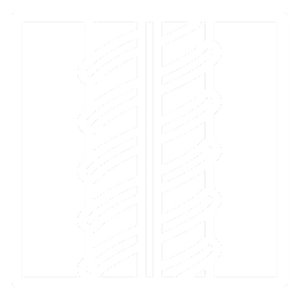
1. Heavy-Duty Epoxy-Coated Rebar (ASTM A775)
Electrostatically applied epoxy resin creates a 7 to 12 mil dielectric barrier, preventing oxygen and moisture from contacting the steel substrate. Ideal for seawall coping caps and deadman anchor grid reinforcement.
2. GFRP Fiberglass Retention Bar (ASTM D7957)
Impervious to salt corrosion and 1/4 the weight of steel with 2x tensile strength. Completely eliminates galvanic corrosion in marine retention caps and sheet pile tie-ins.

3. Duplex 2205 Stainless Rebar (ASTM A955)
The gold standard for critical infrastructure. Superior resistance to chloride stress-corrosion cracking and pitting. Engineered for heavy tieback rods exposed to tidal soil movement.

4. Custom Fabricated Bent Tieback Hooks & Rods
In-house cut, bent, and threaded Grade 60 / 75 rebar bars. Fabricated according to exact engineering shop drawings with 90° standard hooks, offset bends, and threaded ends.
4. Future Procurement Trends in Marine & Coastal Infrastructure (2025–2035)
Global procurement metrics are undergoing a systemic shift driven by climate adaptation policies, stricter municipal building codes, and advanced material science. Marine contractors and international buyers are optimizing their supply chains around four pivotal macro-trends:
A. Adoption of Non-Metallic Composites (GFRP & CFRP) under ACI 440.11R
With the formal integration of Glass Fiber Reinforced Polymer (GFRP) bars into the American Concrete Institute (ACI) primary building code (ACI 318-25 / ACI 440.11R), structural engineers are increasingly specifying GFRP for seawall retention systems. Beyond zero corrosion, GFRP reduces shipping freight weights by 75%, yielding lower carbon footprints and simplified manual placement on soft coastal shorelines where heavy crane access is restricted.
B. Life-Cycle Cost Analysis (LCCA) vs. Initial Material Cost
Global procurement teams are abandoning pure initial-cost purchasing model in favor of 50-year and 100-year LCCA frameworks. While Grade 2205 Stainless Steel rebar requires a higher initial investment compared to standard black rebar, its net present value (NPV) is drastically lower over a 50-year cycle because it completely avoids structural repairs, concrete hydro-demolition, and seawall rebuilds.
C. Mandated Environmental Product Declarations (EPDs) & Low-Carbon Steel
International environmental mandates now require transparency regarding the embodied carbon of construction steel. Electric Arc Furnace (EAF) recycled rebar production—which yields up to 75% lower carbon emissions than traditional blast furnace methods—is rapidly becoming a prerequisite for municipal harbor and waterfront infrastructure bids.
D. Hybrid Reinforcement System Design
Engineers are maximizing capital efficiency by implementing hybrid reinforcement zones: utilizing cost-effective Epoxy-Coated or Carbon Rebar deep inside dry, inland deadman anchor blocks, while deploying Duplex Stainless Steel or GFRP in the highly vulnerable tidal splash zone cap and main tieback rod connections.
5. Enterprise Advantages: Why Florida Lumber is South Florida’s Premier Marine Rebar Partner
Choosing Florida Lumber as your primary marine rebar fabricator and building materials distributor unlocks distinct operational benefits honed over more than five decades of direct regional and international supply experience:
- Deep Heritage Since 1966: Established in Miami in 1966, Florida Lumber has built an unmatched reputation for supporting South Florida’s contractors, coastal engineers, and export buyers with reliable, contractor-grade materials.
- State-of-the-Art Fabrication Shop: We operate dedicated rebar cutting, shearing, bending, and threading machinery. Whether your shop drawing demands #4 through #11 rebar, custom 180° stirrup loops, or specialized tieback threads, our master benders fabricate strictly to ACI Detailing Manual standards.
- Direct Jobsite & Port Delivery: Our private fleet of crane-equipped boom trucks delivers same-day or next-day directly to coastal construction sites, coastal marinas, and PortMiami / Port Everglades consolidation terminals for Caribbean export.
- Comprehensive Supply Ecosystem: Beyond sea wall retention rebar, Florida Lumber is a complete single-source supplier stocking pressure-treated structural lumber, marine-grade plywood sheathing, mason mix concrete blocks, Simpson Strong-Tie stainless connectors, EPS foam forms, and Milwaukee power tools.
6. Frequently Asked Questions (FAQ) for Global Buyers & Marine Specifiers
Below are detailed technical answers to the most frequent queries searched by marine contractors and generated by AI procurement tools regarding sea wall retention rebar:
Tieback sizing is governed by Rankine or Coulomb lateral earth pressure calculations. The total lateral force (Pa) behind the seawall cap determines the tensile load transferred to each retention rod. Spacing typically ranges from 6 to 10 feet on center. For standard 8-foot spacing in medium dense sand with a 6-foot wall height, engineers routinely specify #6 or #7 Grade 60 (or Grade 75) retention rebar. Florida Lumber’s technical team works directly with your shop drawings to supply pre-cut, pre-hooked tieback sets engineered for your exact tensile load calculations.
No. Unlike thermoplastic metal, thermoset GFRP composite rebar cannot be bent in the field. All bends, 90° hooks, and custom shapes must be factory-bent during the resin polymer curing process. Florida Lumber provides factory-fabricated GFRP bent shapes according to your precise project bend schedules, ensuring full ASTM D7957 structural compliance without compromising fiber integrity.
Premature failure in ASTM A775 epoxy-coated rebar occurs primarily due to pinhole micro-cracks (holidays) or physical abrasion suffered during transport and jobsite handling. If the green epoxy coating is nicked by shoe cleats or vibrator heads without field repair, moisture accumulates beneath the film, triggering rapid under-film corrosion. Florida Lumber supplies liquid epoxy touch-up repair kits and applies protective bundling protocols to ensure 100% coating integrity upon site delivery.
ASTM A775 covers rebar that is coated with epoxy prior to cutting and bending (post-bend flexibility coating). ASTM A934 covers rebar that is fabricated (cut and bent) *first* and subsequently coated in a batch plant. ASTM A934 provides superior crack-free coating coverage at bend radii, making it highly suitable for severe marine seawall splash zones.
Submerged soil loses buoyant weight, but saturated soil combined with standing water behind an unvented seawall creates full hydrostatic pressure (62.4 lbs/ft³). This can instantly double or triple the outward bending moment on the seawall cap, exponentially increasing the tensile force demanded from the retention rebar. Installing high-strength Grade 75 or Duplex Stainless retention bars provides a vital structural factor of safety against unexpected tidal surge inundation.
Yes. Florida Lumber specializes in marine cargo bundling, export container loading, and port delivery to Miami freight forwarders servicing the Bahamas, Caribbean, and Latin American coastal markets. All export shipments include full mill test reports (MTRs) certifying ASTM compliance.
7. Conclusion & Immediate Project Quote Request
Navigating coastal civil engineering challenges requires uncompromising material quality and rapid, accurate structural fabrication. By selecting the optimal Sea Wall Retention Rebar—whether Epoxy-Coated ASTM A775, Duplex Stainless ASTM A955, or Advanced Composite GFRP—you safeguard coastal infrastructure against the aggressive mechanics of saltwater corrosion and severe storm forces.
Florida Lumber combines 55+ years of South Florida field expertise with comprehensive structural supply capabilities. Partner with our marine materials engineering team today to receive detailed takeoff estimates, mill certifications, and competitive bulk pricing.
Need Custom Sea Wall Rebar Fabrication or Direct Jobsite Delivery?
Connect with our structural sales specialists to review cut sheets, schedule jobsite boom-truck delivery, or receive an immediate wholesale quote.